Fonts In Use
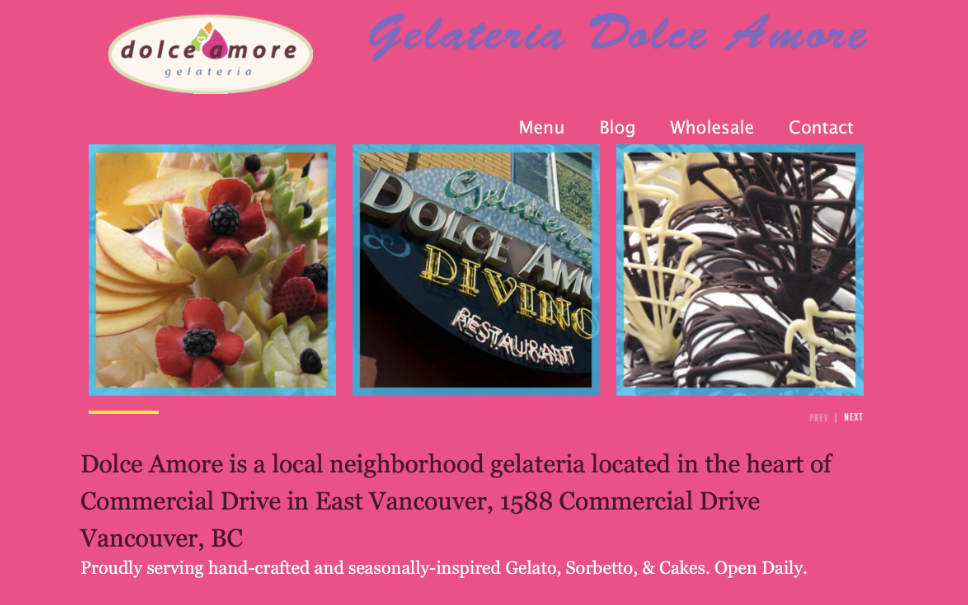
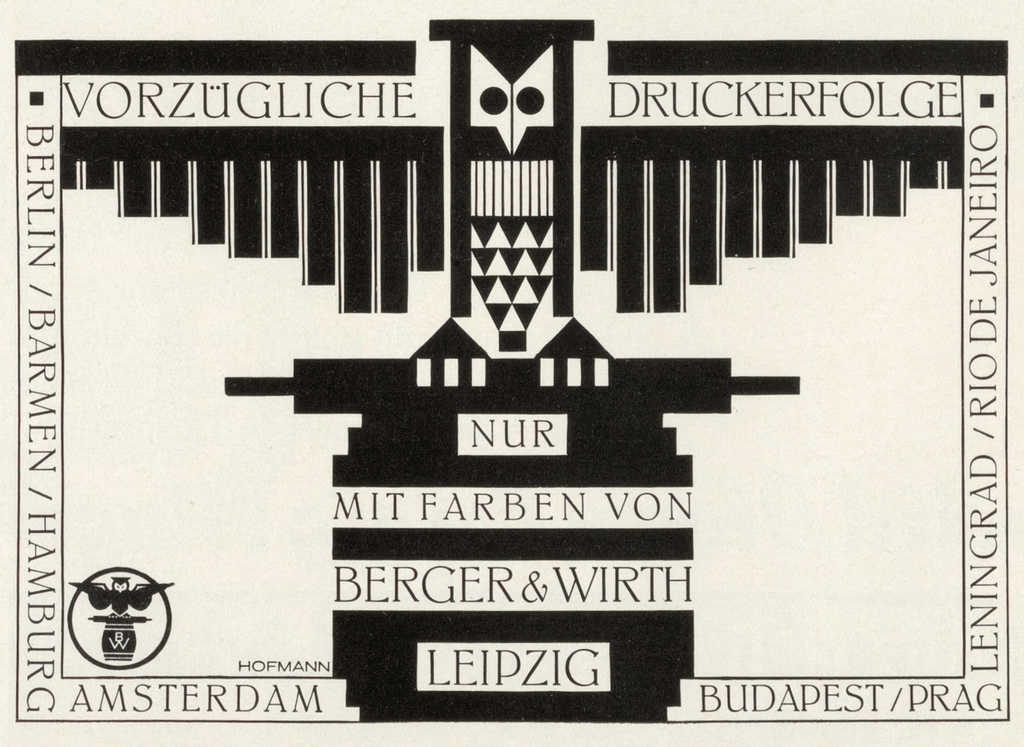
“Fonts In Use is a public archive of typography indexed by typeface, format, industry, and period. Supported by examples contributed by the public, we document and examine graphic design with the goal of improving typographic literacy and appreciation. Designers use our site for project research, type selection and pairing, and discovering new ways to choose and use fonts.”
An independent archive of typography, reviewers and design community members widely consider Fonts In Use to be an essential, world-class typography resource and a “goldmine” for graphic designers.— Stephen Coles.
There’s so much of what used to be on the Internet as websites, blogs, all sorts of individual contributions, and it’s all kind of gone to social media. So one of the reasons we’re such a large referral source for a lot of websites is there just aren’t that many websites anymore that are talking about this stuff.
Being able to filter typography by typeface, historical period, format, and industry makes it an unparalleled tool for deep research.
Fonts In Use is an independent project run by Florian Hardwig, Rob Meek, Nick Sherman, and Stephen Coles. Well worth a visit.
Care About Fonts?
So if you like to nerd out about type then you may want to check out Type Thursday, a monthly meet-up in cities including Los Angeles; London; and Bucharest, Romania, font designers critique each other’s letterforms over wine. They hold forth about negative space, consistent strokes and serif experimentation. The group’s website bills the gathering as “three hours of fontastic fun.”Explore Type: fontsinuse.com
Type Thursday